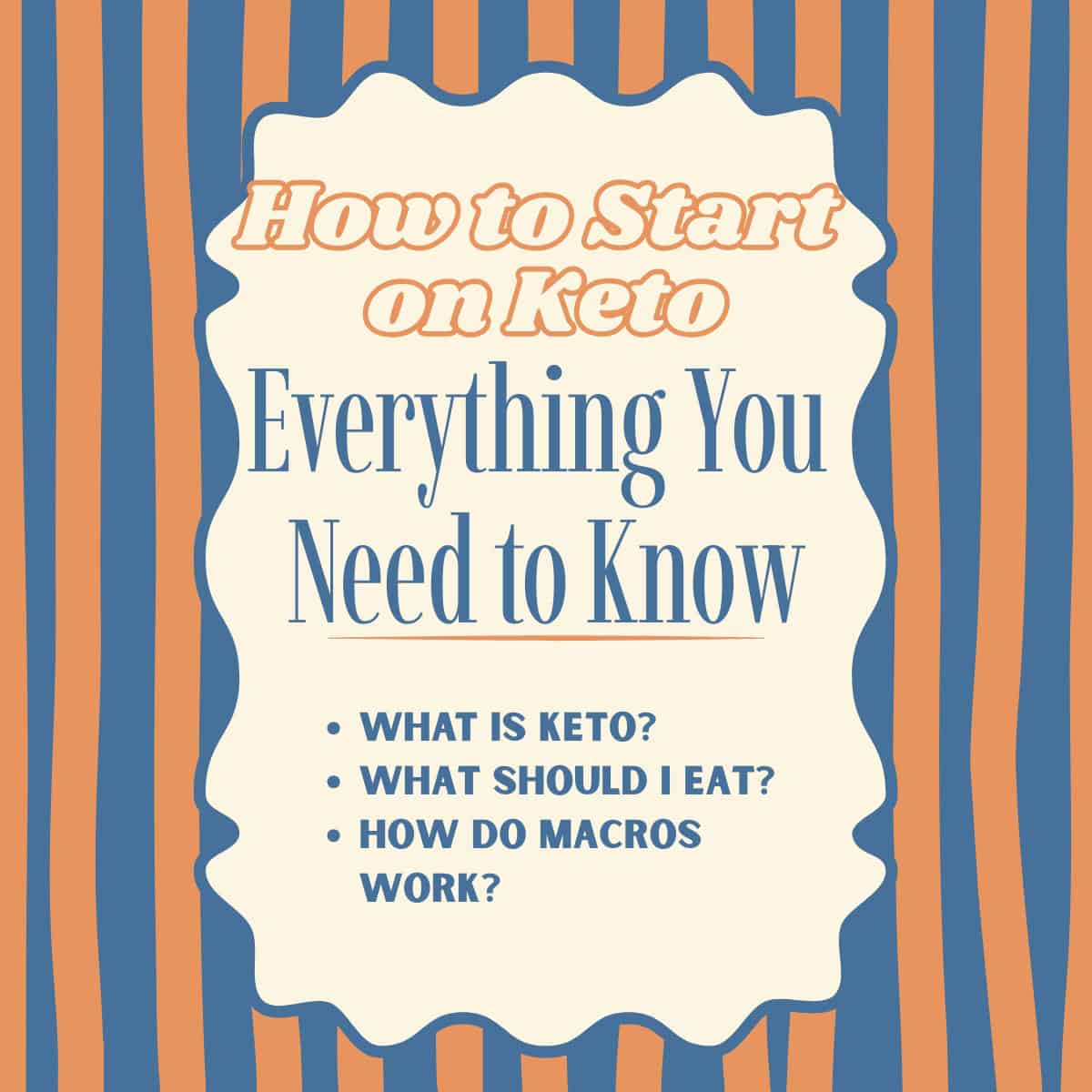
If you’ve landed here, you probably fall into one of three categories. You’ve just heard about keto and want to know what the fuss is about. You’ve been thinking about trying it for a while and finally feel ready. Or you’ve already dabbled in low carb eating and want to understand how keto is different. Regardless of which group you fall into, you’re in the right place!
My name is Annie, and my household has been eating low carb for nearly two decades. Not because it’s a trend, and not as a temporary fix, but as the way we genuinely live. My husband, Clayton, has Type 1 diabetes so we have been preparing low carb food to help manage his blood sugar for nearly 20 years. In 2018, a thyroid cancer diagnosis sent me even deeper into a low carb lifestyle which eventually led to me exploring the keto diet and creating The Best Keto Recipes.
I’m telling you this so you know where this guide is coming from. This isn’t a site built on chasing trends. It’s built on nearly twenty years of real low carb cooking, a nutrition and healthcare background, along with a household where getting this right actually matters. Here’s everything you need to get started…..
What is the keto diet?
The ketogenic diet is a high-fat, moderate-protein, very low-carbohydrate way of eating. When you reduce carbohydrates low enough, your body shifts from burning glucose as its primary fuel to burning fat instead. This metabolic state is called ketosis.
It sounds more complicated than it is in practice. For most people, ketosis means keeping net carbohydrates under 20–30 grams per day. The goal is to eat enough protein to preserve muscle and letting fat make up the rest of your calories. Your body does the rest by burning fat, rather than carbohydrates, for fuel.
Keto is often confused with general low carb eating, but they’re not the same thing. Low carb eating reduces carbohydrates. Following a keto diet is an even greater carb restriction that reduces them enough to meaningfully change how your body produces and uses energy.
What do you eat on keto?
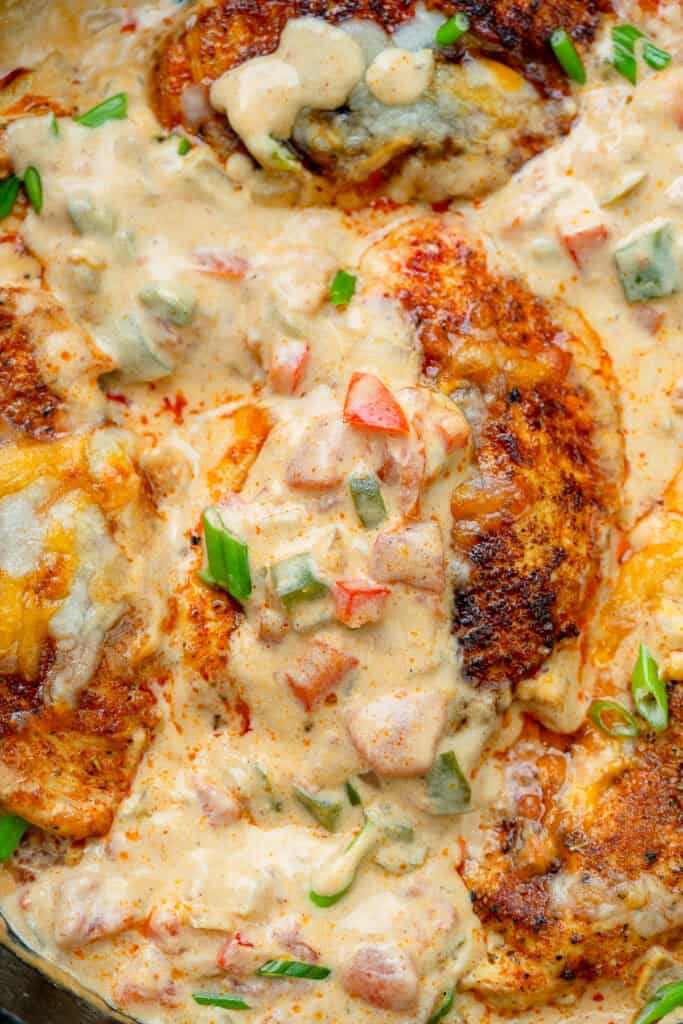
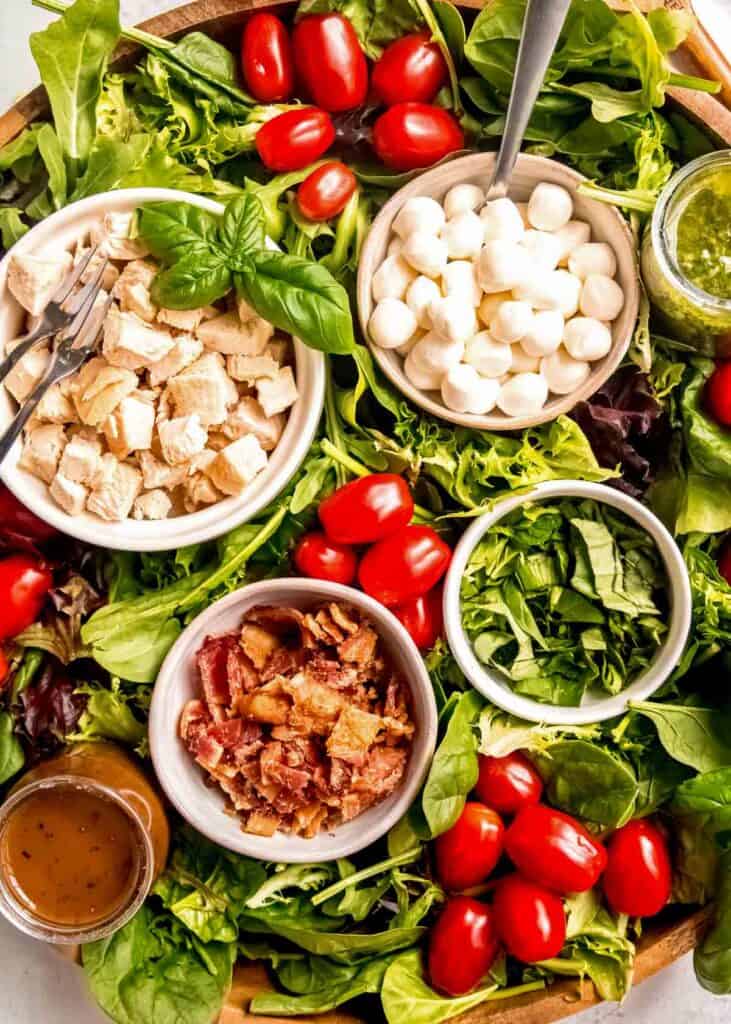
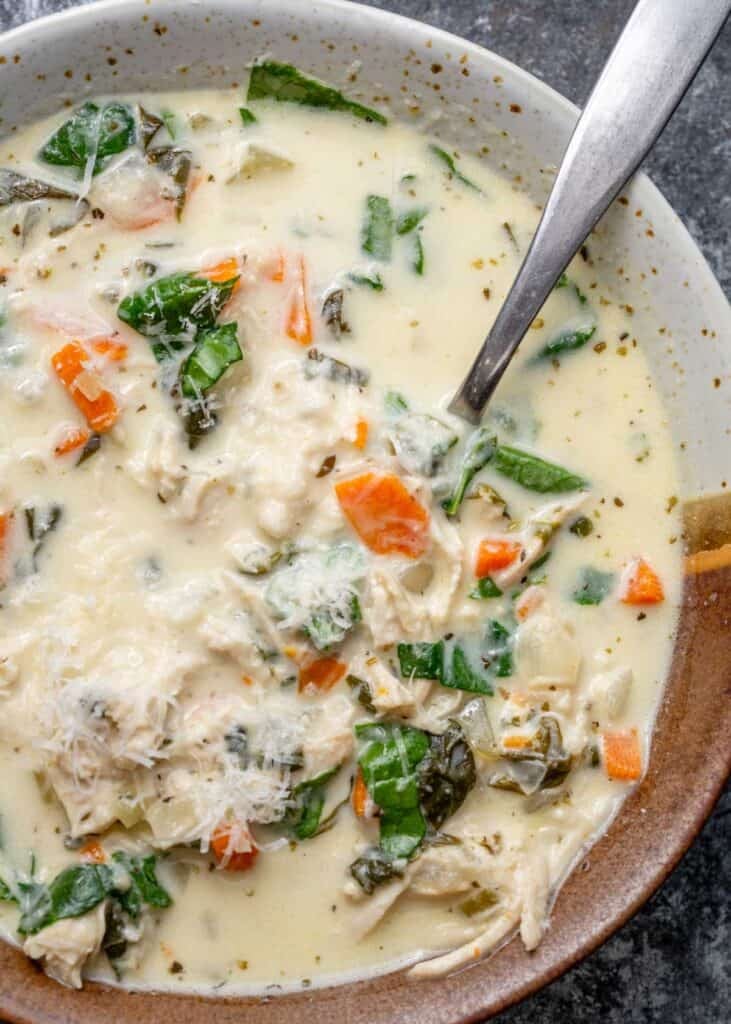
The short answer: meat, fish, eggs, full-fat dairy, non-starchy vegetables, nuts, seeds, and healthy fats. A longer answer involves understanding which foods fit, which surprise people, and which common foods are quietly loaded with carbs.
The good news is that keto food is satisfying. You’re not eating diet food, you’re eating butter, bacon, cream, cheese, and real meals that keep you full for hours.
How do macros work?
Macronutrients (macros) are the three categories of calories: fat, protein, and carbohydrates. On keto, you’re adjusting the ratio of all three, not just cutting carbs. Fat goes up significantly. Protein stays moderate. Carbohydrates drop low enough to maintain ketosis.
You don’t have to track macros forever. Many experienced keto eaters, myself included, eventually eat intuitively because we know our food well. But understanding the ratios when you’re starting out helps you get into ketosis and stay there. I’ve created an article that discusses keto macros in greater detail if you want to learn more.
What should I stock in my kitchen?
A well-stocked keto kitchen makes everything easier and less overwhelming. The ingredients that feel unfamiliar at first such as almond flour, monkfruit sweetener, or coconut flour become second nature quickly, and knowing what to keep on hand means you’re never more than thirty minutes from a real meal. I’ve created a guide that breaks down my keto pantry staples if you want to learn more.
What mistakes do beginners make?
The most common keto mistakes aren’t about willpower. They’re about information and having a plan. Not adjusting electrolytes. Eating too little fat. Expecting weight loss to be linear. Running out of low carb options in the pantry. Understanding what actually goes wrong and why, makes the difference between quitting in week two and finding your stride.
Ready to cook?
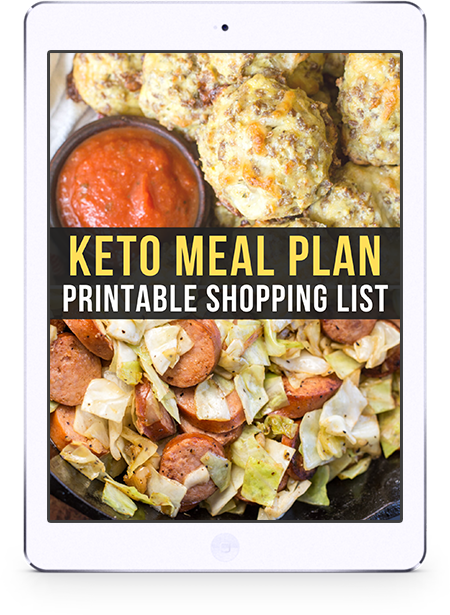
Once you have the foundation, the fun part starts! Browse the recipe index by category, or start with a weekly meal plan if you want the thinking done for you.
The recipes here are built for real keto eating. They’ve been tested, are macro-conscious, and are made for people who want food that’s worth looking forward to. That’s the only kind of recipe I’ve ever been interested in making.
The information provided in this post is for general informational and educational purposes only and is not intended as medical or nutritional advice. I am not a doctor or registered dietitian. Before starting any new diet, including a ketogenic or low-carb diet, please consult with your physician or a qualified healthcare provider, especially if you have any underlying health conditions or are taking medications.