Starting a ketogenic diet can feel overwhelming, especially when you hear terms like macros, net carbs, and ketosis thrown around. The good news is that understanding keto macros is much simpler than it sounds. Once you know the role carbohydrates, protein, and fat play in a ketogenic lifestyle, you’ll feel much more confident planning meals and choosing recipes.
Whether you’re new to keto or simply want a better understanding of how it works, this guide will explain the basics of keto macros so you can build a solid foundation without getting lost in complicated calculations.
What Are Keto Macros?
The word macros is short for macronutrients, the three nutrients your body needs in the largest amounts:
- Carbohydrates
- Protein
- Fat
Every food you eat is made up of one or more of these macronutrients. While all three are important, a ketogenic diet differs from many other eating patterns because it emphasizes limiting carbs while incorporating adequate protein and healthy fats.
Rather than focusing on calorie counting alone, many people following a keto or low carb lifestyle pay attention to the balance of these three macronutrients when planning meals.
Understanding these Three Keto Macros
Carbohydrates
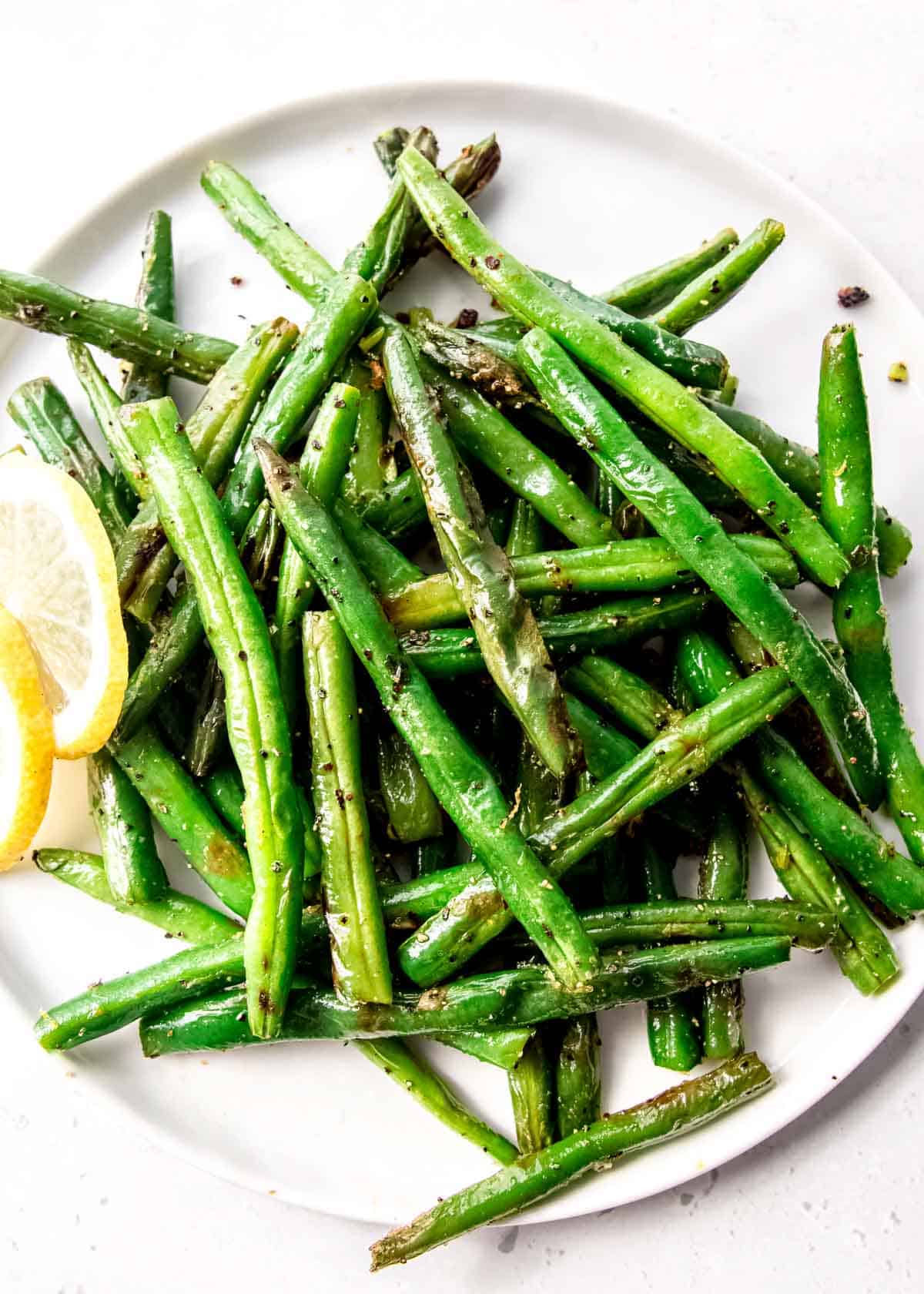
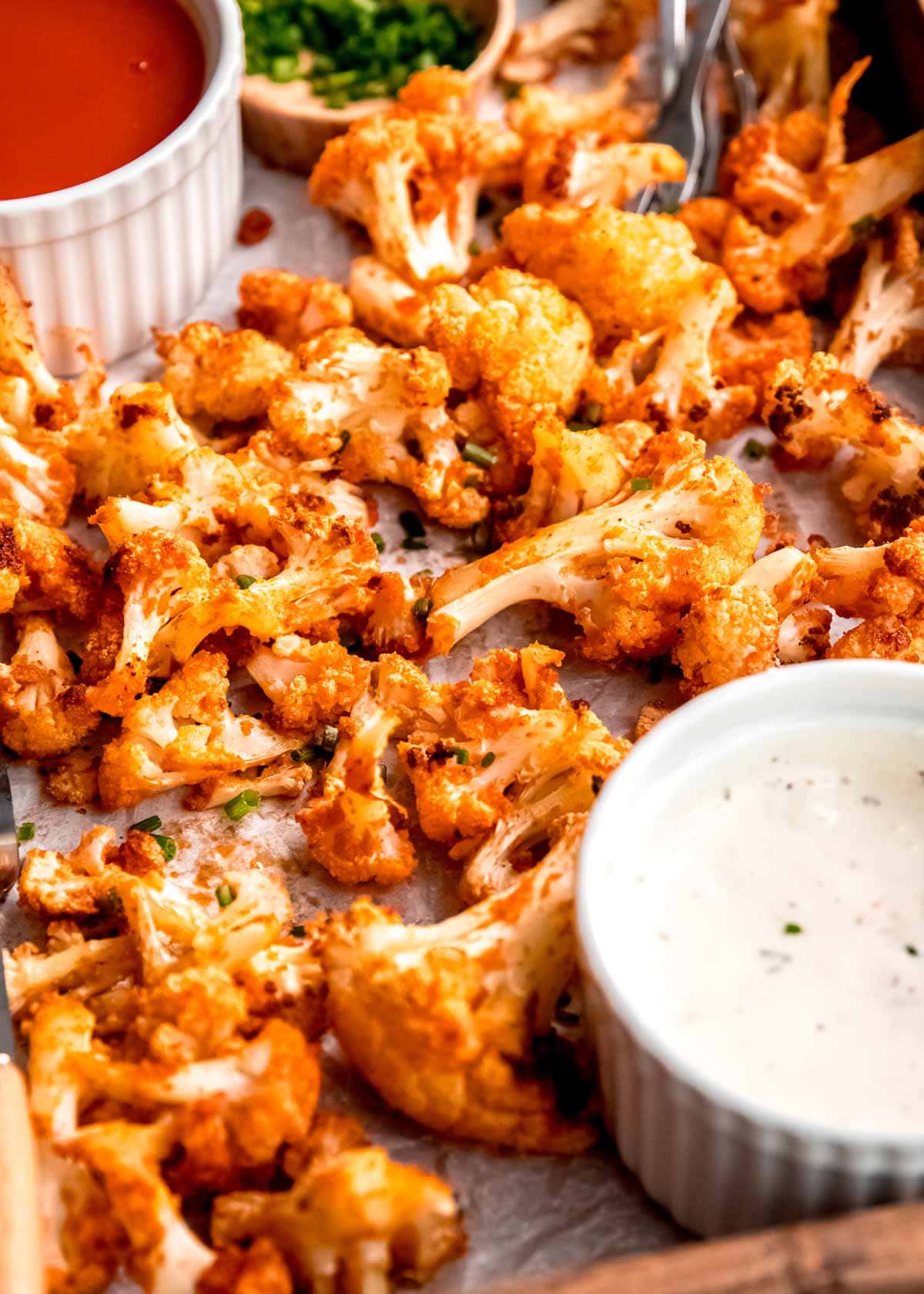
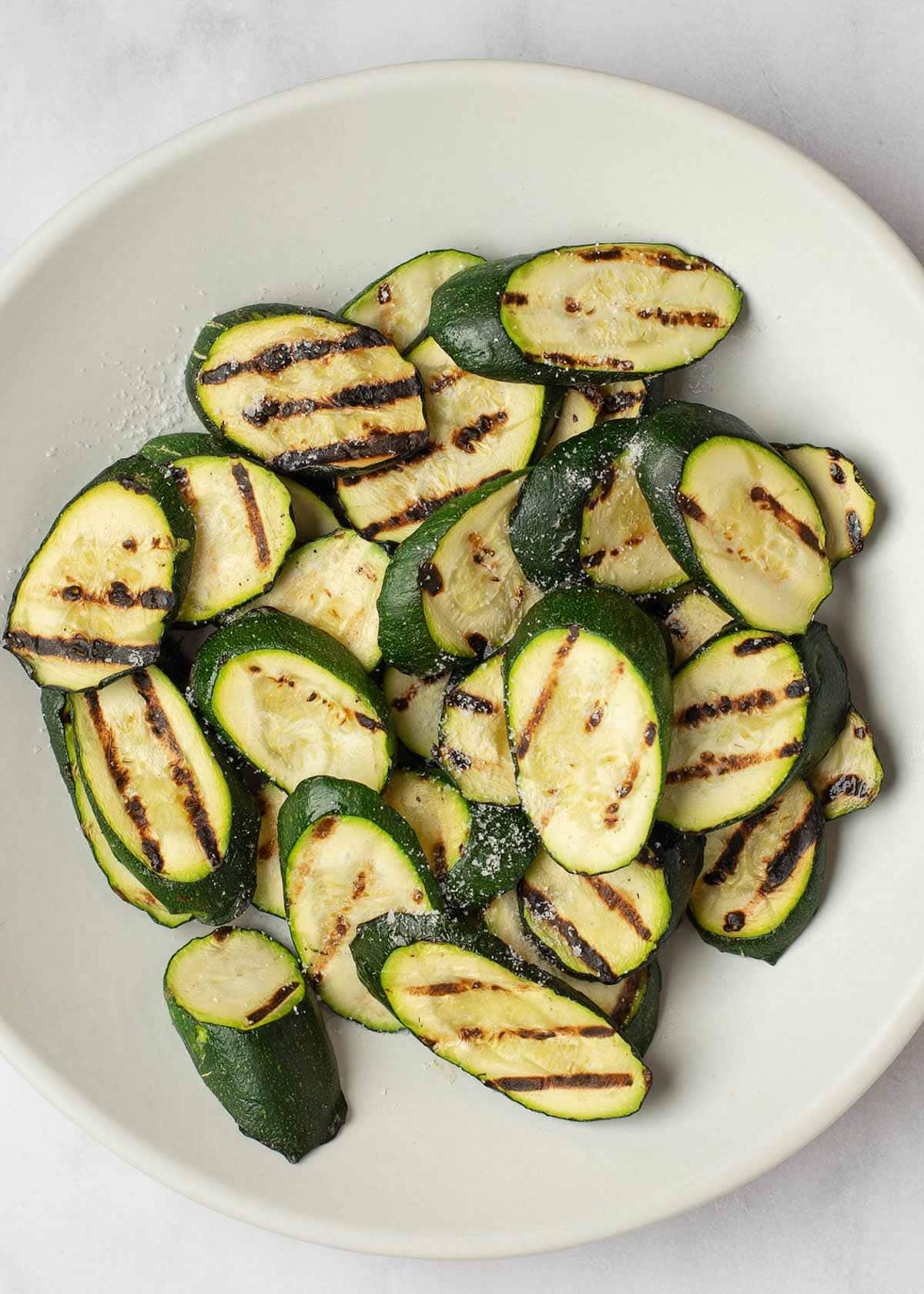
Carbs are typically the first macro people think about when starting keto. That’s because reducing carbohydrate intake is what helps shift your body toward using fat as its primary fuel source instead of glucose.
Many foods that are staples in a traditional diet including bread, pasta, rice, potatoes, and sugary snack are naturally high in carbohydrates. Instead, keto recipes often rely on lower carb ingredients like:
- Leafy greens
- Cauliflower
- Broccoli
- Zucchini
- Avocados
- Mushrooms
- Bell peppers
Learning which vegetables and pantry staples are naturally lower in carbohydrates is often one of the biggest adjustments when transitioning to a ketogenic lifestyle. There are also some great sweetener substitutes as well so you can still enjoy some of your favorites just without all the carbs.
Protein
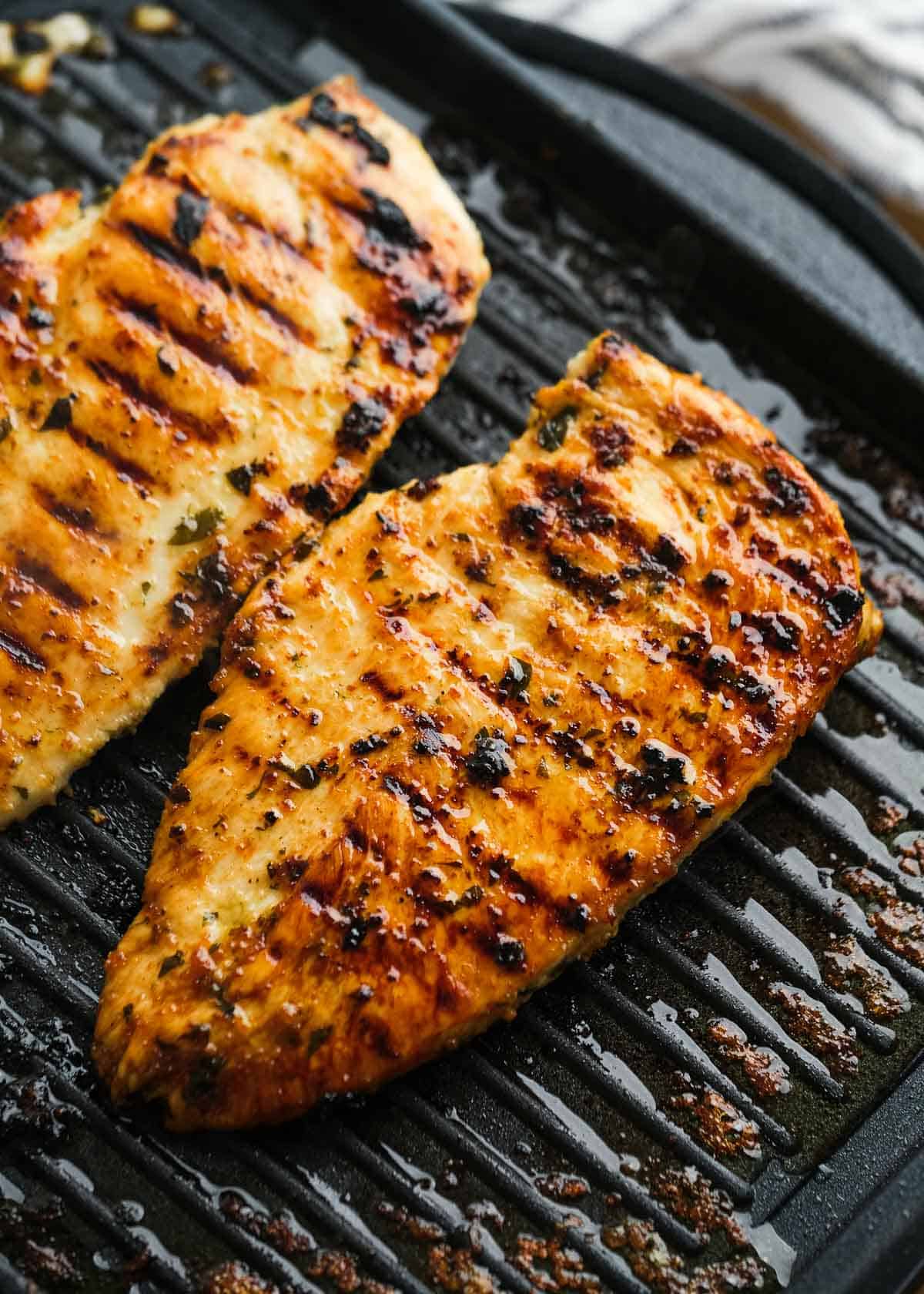
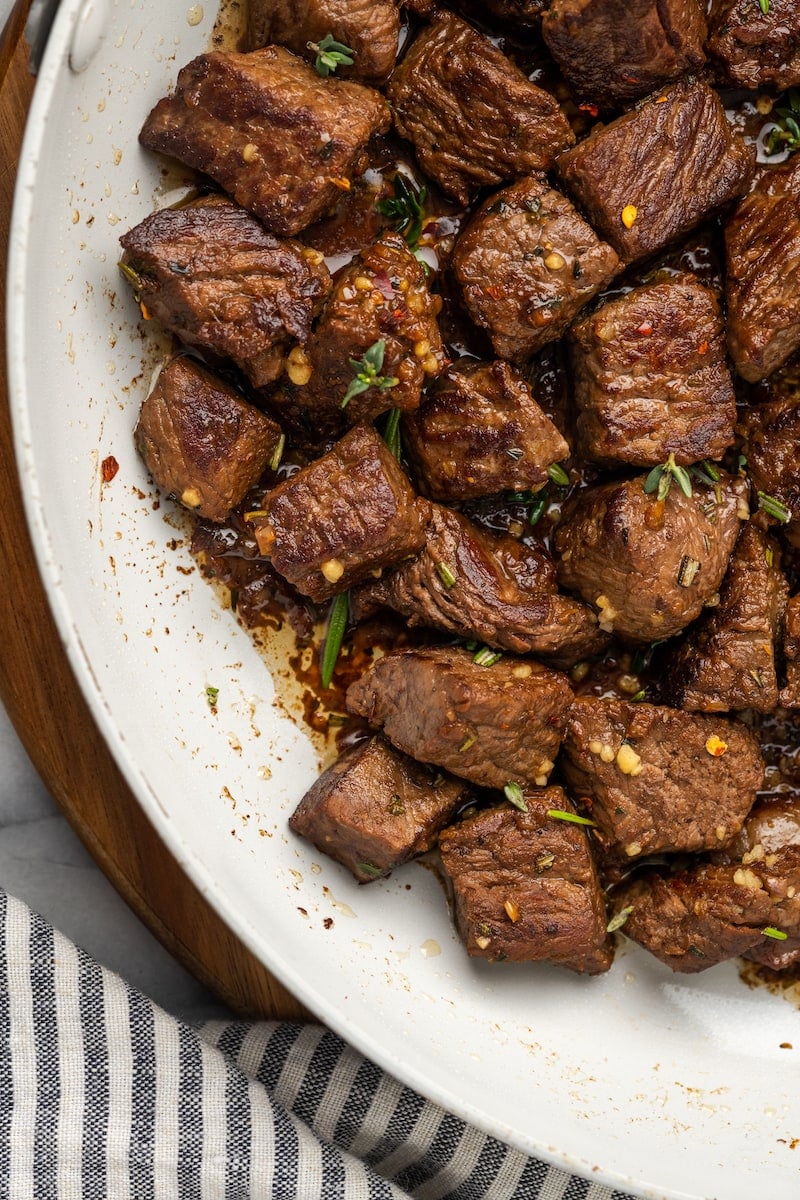
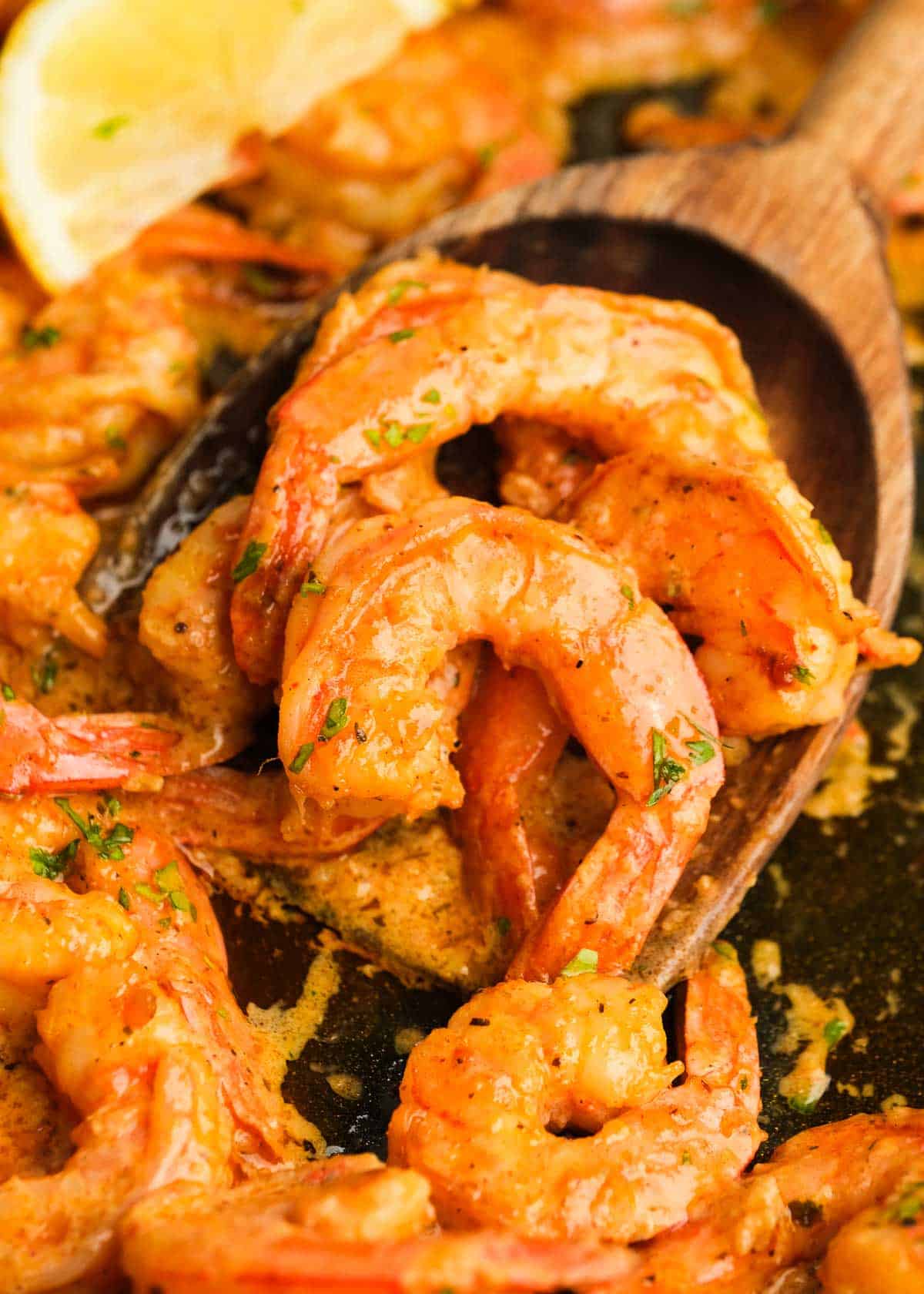
Protein is essential for building and maintaining muscle, supporting normal body functions, and helping you feel satisfied after meals.
Some common keto friendly protein sources include:
A common misconception is that keto is a high protein diet. In reality, protein is just one part of the overall balance. Individual protein needs vary based on factors like age, activity level, and personal goals, so there isn’t one recommendation that fits everyone.
Fat



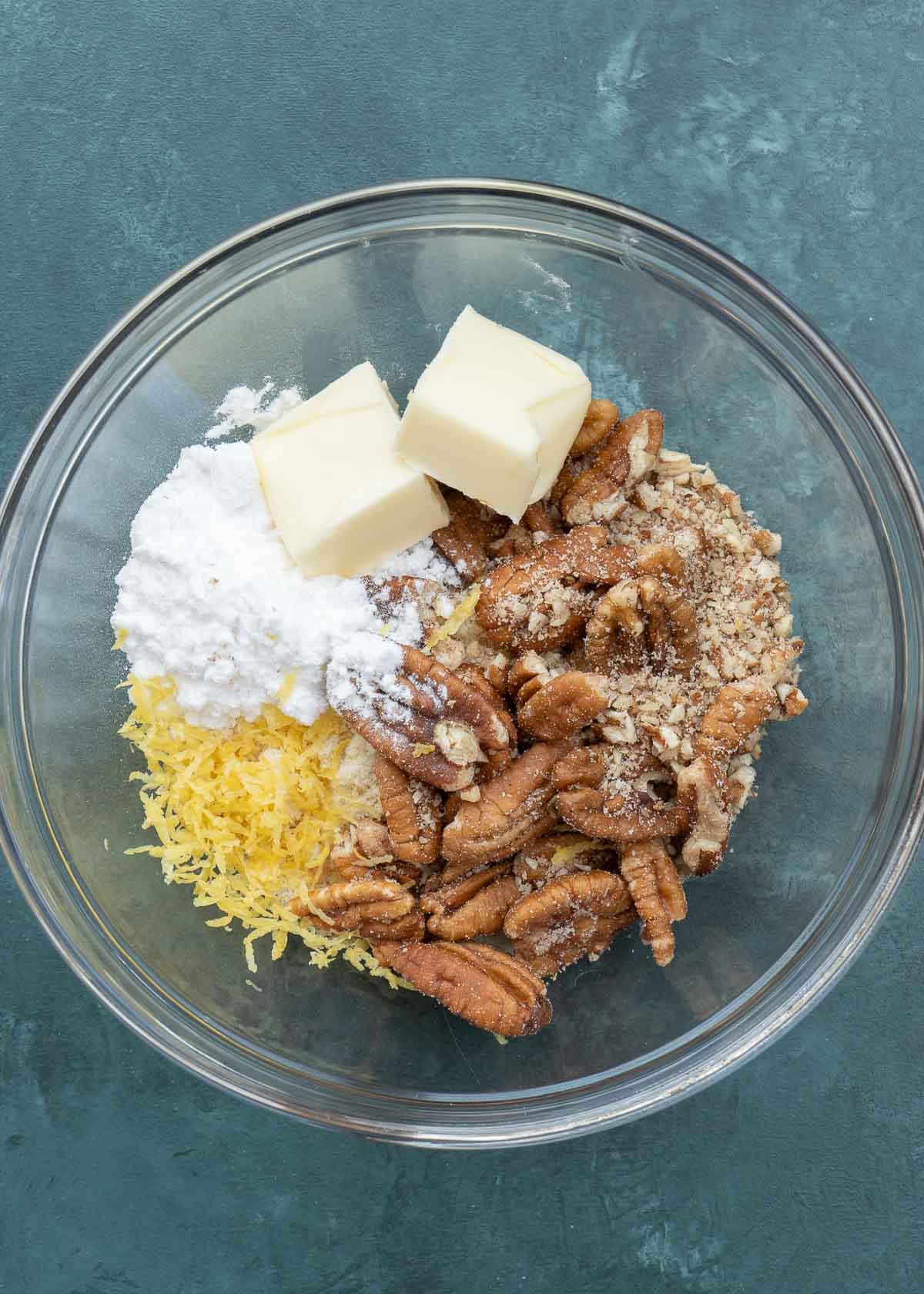

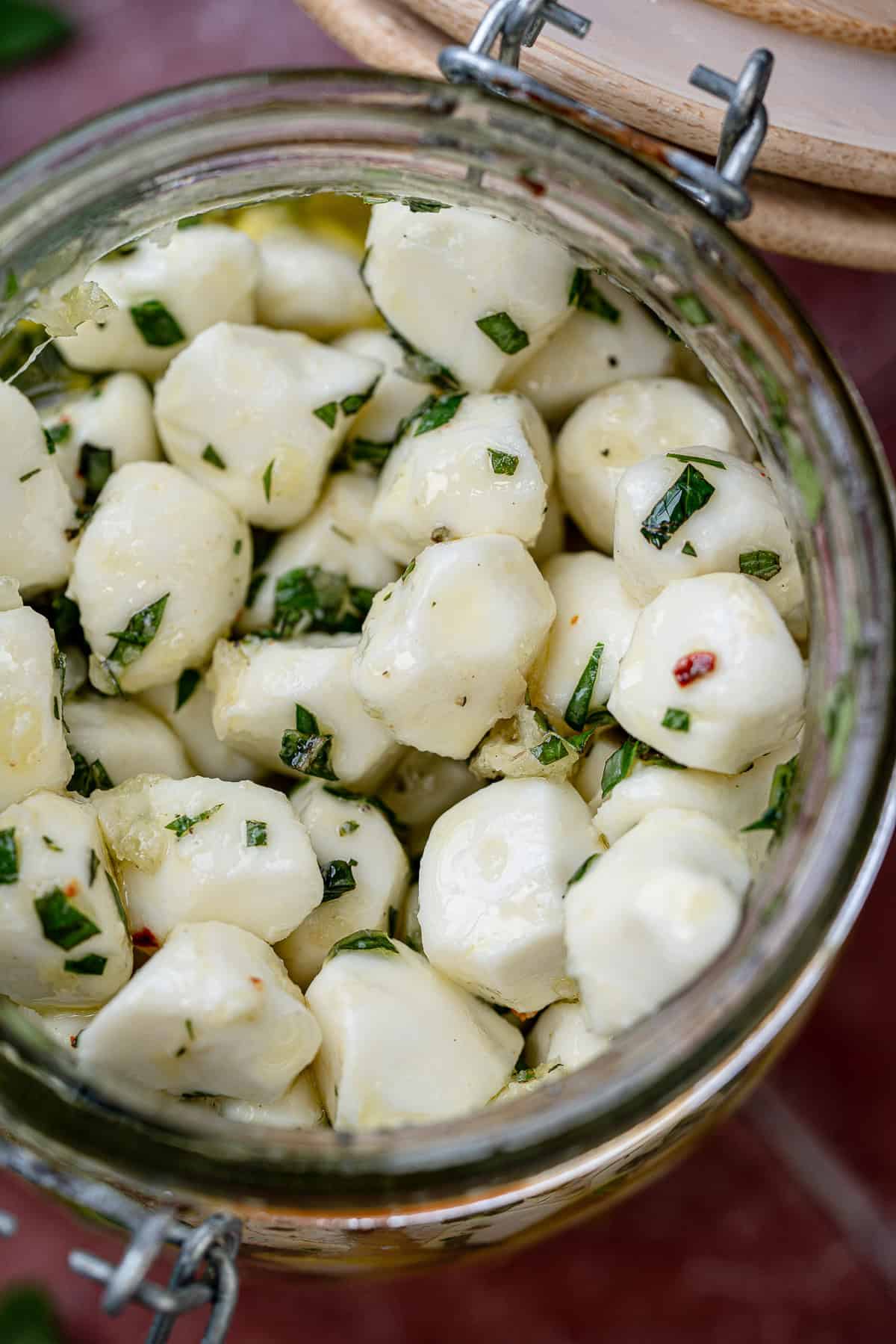
Unlike many other eating patterns, fat plays a much larger role in a ketogenic diet. Fat adds flavor, helps create satisfying meals, and serves as an important source of energy.
Some popular keto fats include:
- Butter
- Olive oil
- Avocados
- Heavy cream
- Cream cheese
- Nuts and seeds
- Full-fat cheeses
Choosing a variety of fat sources can help add both flavor and texture to your meals while making it easier to stick with a keto lifestyle over time.
Do You Have to Track Keto Macros?
Not necessarily. Some people enjoy using apps to track their daily carbohydrate, protein, and fat intake because it helps them better understand their eating habits. Others prefer to focus on preparing simple, low carb meals without tracking every bite.
If you’re just getting started, don’t feel pressured to download a macro calculator on day one. Many beginners, myself included, find it easier to first learn which foods fit a keto diet before deciding whether tracking macros is helpful for them.
*The approach that works best is often the one you can maintain consistently.
Common Mistakes
Focusing Only on Fat
One of the biggest misconceptions about keto is that you should add large amounts of fat to everything you eat. While fat is an important part of a ketogenic diet, successful keto meals are typically balanced with quality protein and plenty of low carb veggies.
Forgetting About Protein
Some beginners become so focused on reducing carbohydrates that they unintentionally overlook protein. Including protein as part of each meal helps create satisfying, filling, well-rounded recipes.
Assuming Every Keto Food Is Unlimited
Even foods considered keto friendly still contribute carbohydrates, protein, fat, and calories. Paying attention to serving sizes can help you better understand how different ingredients fit into your overall diet.
Comparing Your Macros to Someone Else’s
You’ll find countless macro recommendations online, but there isn’t a universal formula that works for everyone. Factors like age, activity level, body composition, and individual goals all influence nutritional needs, which is why personalized recommendations should come from a qualified healthcare professional or registered dietitian.
Simple Tips for Beginners
If you’re just beginning your keto journey, try keeping things simple.
- Build meals around a quality protein source.
- Fill your plate with non-starchy vegetables.
- Add healthy fats for flavor and satisfaction.
- Read nutrition labels to become familiar with carbohydrate content.
- Stock up on keto pantry staples like almond flour, coconut flour, butter, eggs, and low carb sweeteners.
- Focus on creating sustainable habits instead of striving for perfection.
Learning keto doesn’t happen overnight. The more recipes you prepare and the more familiar you become with common ingredients, the easier meal planning becomes.
Frequently Asked Questions
What’s the difference between calories and macros?
Calories measure how much energy food provides. Macros describe where those calories come from: carbohydrates, protein, and fat.
Which macro is most important on keto?
While all three macronutrients play important roles, carbohydrates are generally the macro that receives the most attention because limiting carbohydrate intake is what distinguishes a keto diet from many other eating patterns.
Remember This…
Understanding keto macros doesn’t require a degree in nutrition or hours spent calculating percentages. By learning the basic role that carbohydrates, protein, and fat play in a keto lifestyle, you’ll be better equipped to read nutrition labels, stock your pantry, and prepare delicious low carb meals with confidence.
As someone with a Master of Science in Nursing who has personally managed Type 1 diabetes while following a gluten free and diabetic friendly diet, I know how overwhelming dietary changes can feel at first. That’s why our goal is to make keto approachable through practical recipes, simple ingredient guides, and easy to understand resources that help you feel confident in the kitchen.