If you’ve spent any time making keto or low carb recipes, you’ve probably noticed that almond flour and coconut flour show up again and again. In this guide, I’ll break down the key differences between the two and help you determine when to use each one.
As a type 1 diabetic living with celiac disease, my wife and I have been experimenting with low carb and gluten free ingredients for more than 20 years. We’ve tested almond flour and coconut flour in hundreds of recipes, from breads and cookies to pancakes, casseroles, and pizza crusts.
In this guide, I’ll help you save some time by explaining the differences between coconut flour and almond flour, when to use each, and which one may be the better choice for your specific recipe.
If you’re for more information on keto cooking essentials, you should check out my 12 Keto Pantry Staples.
| Feature | Coconut Flour | Almond Flour |
|---|---|---|
| Net Carbs | Lower | Higher |
| Protein | Moderate | Higher |
| Fat | Lower | Higher |
| Fiber | Very High | Moderate |
| Nut-Free | Yes | No |
| Absorbency | Very High | Low |
| Ease of Use | More Challenging | More Beginner-Friendly |
| Texture | Dense, structured | Soft, tender |
| Best For | Cakes, muffins, pancakes | Cookies, breads, crusts |
What Is Coconut Flour?
Coconut flour is made from dried coconut pulp that remains after producing coconut milk. The pulp is dried and ground into a fine powder.
One of the biggest things to understand about coconut flour is that it is extremely absorbent. A small amount of coconut flour can absorb a surprising amount of liquid, which means recipes often require additional eggs or moisture.
This high absorbency is both its biggest strength and biggest challenge. It allows you to use very little flour while keeping carbohydrates low, but it also means coconut flour is rarely a direct substitute for another flour.
The keto blueberry muffins, bacon egg muffins, and keto chocolate cookies below all use coconut flour.



Pros of Coconut Flour
- Very low in net carbs
- High in fiber
- Naturally gluten free and grain free
- Nut free
- Shelf stable
- A little goes a long way
Cons of Coconut Flour
- Difficult to substitute in many recipes
- Can create dry or dense baked goods
- Often requires more eggs
- Can have a mild coconut flavor (in certain recipes)
What Is Almond Flour?
Almond flour is made by grinding blanched, skinless almonds into a fine powder.
Because it contains the natural fats found in almonds, almond flour tends to create moist baked goods with a texture that many people find closer to traditional baking. It’s one of the most popular ingredients in keto baking for that reason.
It’s important not to confuse almond flour with almond meal. Almond meal is made using almonds with the skins still attached, creating a coarser texture and denser finished product.
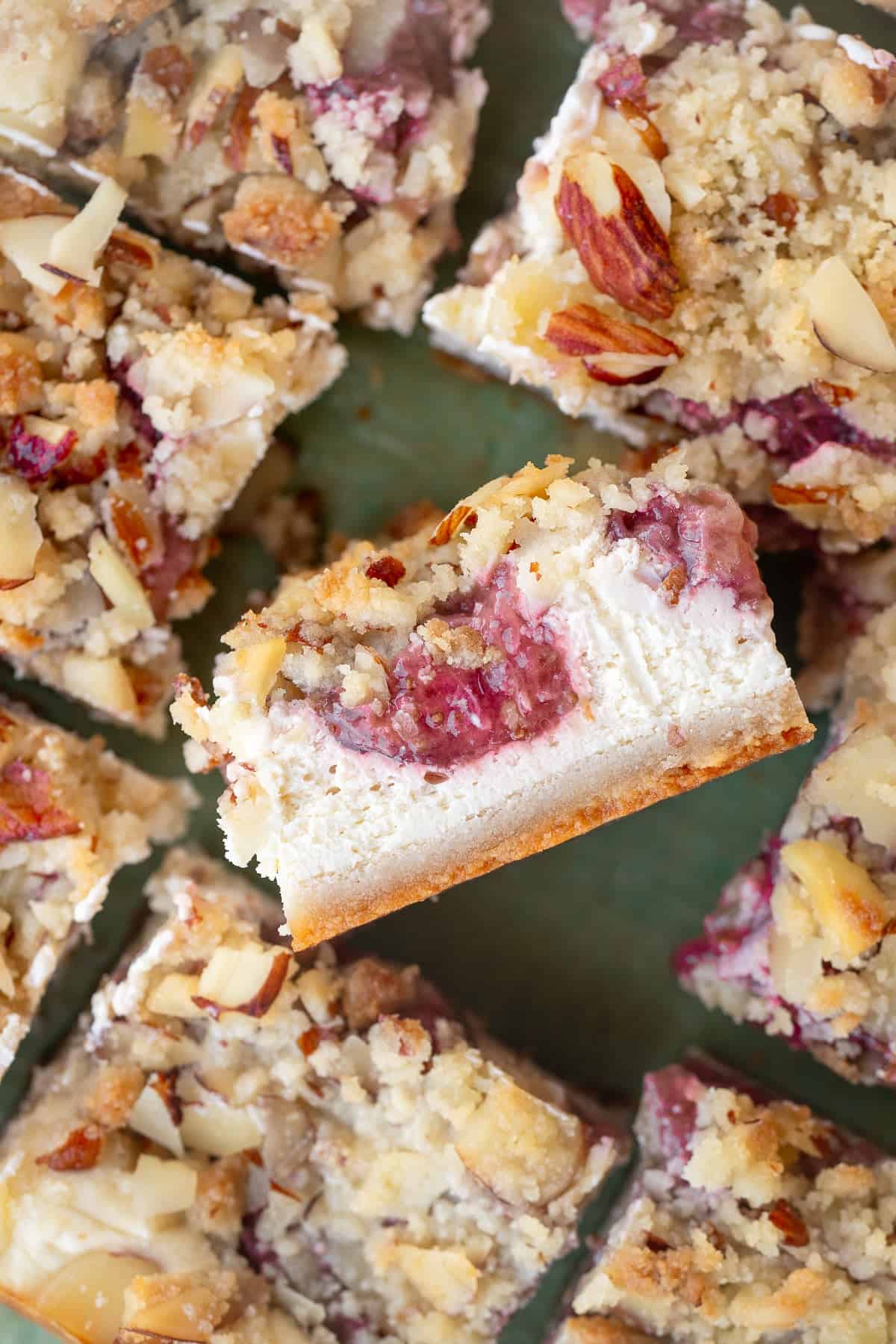
Our recipes for keto pizza, strawberry cheesecake bars, and keto biscuits all use almond flour.


Pros of Almond Flour
- Mild flavor
- Produces tender baked goods
- Higher in protein and fats
- Usually easier to work with than coconut flour
- Excellent for breads, cookies, and crusts
Cons of Almond Flour
- More expensive in some areas
- Not suitable for nut allergies
- Higher in calories
- Can become crumbly without enough binder
Can You Substitute Coconut Flour for Almond Flour?
Usually, no. This is the mistake I see most often from people new to keto baking. Even though both are low carb flours, they absorb liquid very differently.
As a general rule, coconut flour requires only about 25-30% of the amount of almond flour called for in a recipe. The recipe will also usually need additional eggs or liquid to compensate.
For example, a recipe that uses 1 cup of almond flour may only require about 1/4 to 1/3 cup coconut flour, along with several additional eggs. Because of these differences, I strongly recommend using recipes specifically developed for the flour you’re using.
Which Flour Is Better for Keto?
The answer depends on your goals…
Choose Coconut Flour If:
- You want the lowest possible carb count
- You need a nut free option
- You’re making muffins, pancakes, or cakes
Choose Almond Flour If:
- You want a texture closer to traditional baking
- You’re making cookies, pizza crust, or bread
- You prefer easier to work with ingredients
- You want higher protein and fat content
For most people new to keto baking, almond flour is the easier ingredient to start with. The learning curve is much smaller and the results tend to be more forgiving.
Can You Use Almond Flour and Coconut Flour Together?

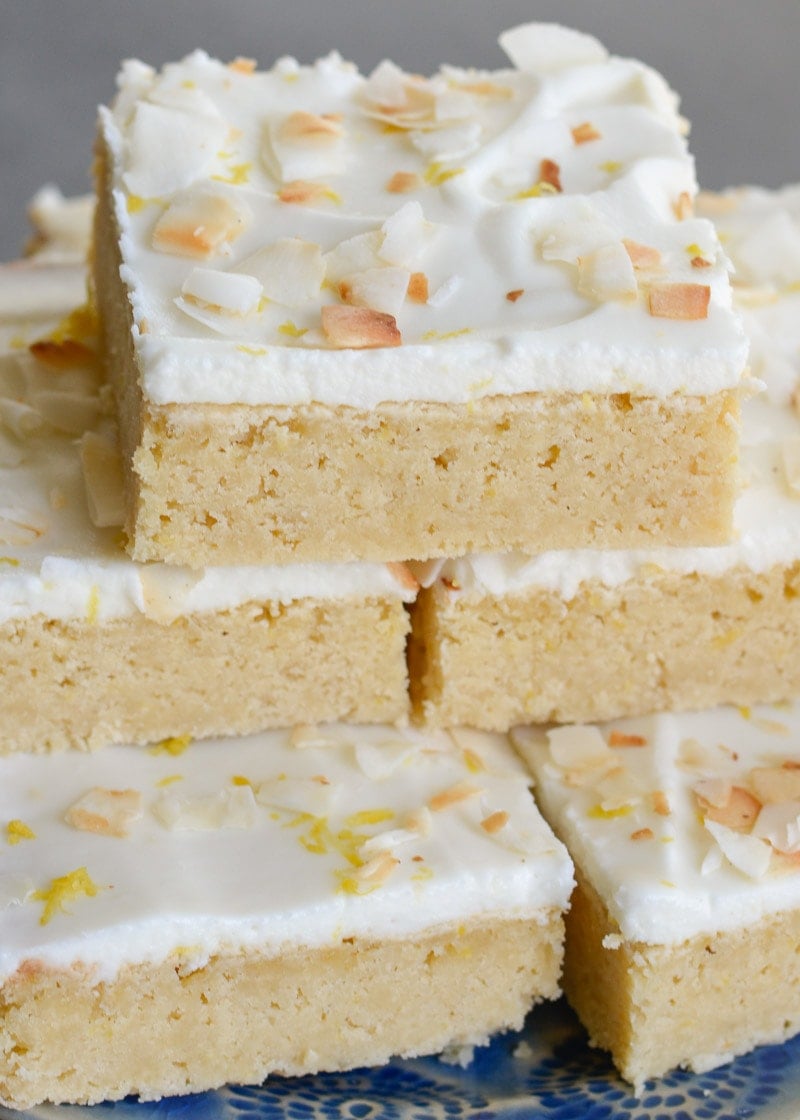
Yes. In fact, many of my keto baking recipes use almond flour and coconut flour together because the two ingredients complement each other. The keto pretzel bites and lemon blondies pictured above both use a combination of coconut and almond flour to get the right texture and lift. When used together, almond flour helps prevent baked goods from becoming dry while coconut flour helps keep them from becoming too soft or dense.
I’ll often use almond flour as the primary flour with a small amount of coconut flour added to improve texture and absorb excess moisture. This combination works particularly well in keto breads, muffins, cakes, and cookies.
Rather than thinking of almond flour and coconut flour as competitors, it’s often more helpful to think of them as ingredients that work together to create better low carb recipes.
Quick Tip
Many keto recipes use about 1/4 to 1/2 cup of coconut flour for every 2 to 3 cups of almond flour. The coconut flour helps absorb moisture while the almond flour provides a softer texture.
Remember This…
When it comes to coconut flour vs almond flour, neither is objectively better. They’re simply different tools for different jobs. Almond flour is generally easier to work with and creates baked goods that more closely resemble traditional recipes. Coconut flour is lower in carbs, higher in fiber, and ideal for those avoiding nuts.
The most important thing is understanding that they are not interchangeable. Once you learn how each flour behaves, you’ll have far more success creating delicious low carb and keto recipes.